
By Adriane Alston
Editorial Editor
Editorial
Winthrop University’s interior design program, one of only a few in South Carolina accredited by the Council for Interior Design Accreditation, attracts students eager to explore careers in creative design. But while the program offers prestige and hands-on experience, first-year students without cars say transportation issues overshadow their excitement.
The program’s intensity demands access to specialized supplies such as drafting boards, foam core, and professional-grade markers. These materials are not sold at campus stores, pushing students to seek out off-campus retailers like Lowe’s, Michaels and design specialty shops.
Students who rely on Rock Hill’s public bus system often face additional hurdles. Buses run on hourly schedules, which rarely align with class times or project deadlines. Carrying oversized supplies on public transit also presents practical challenges.
The lack of reliable transportation leaves many students feeling academically disadvantaged. Without quick access to stores or showrooms, they risk falling behind peers who can travel independently. Some also describe a social strain from repeatedly asking classmates for rides.
The Thread Partnership
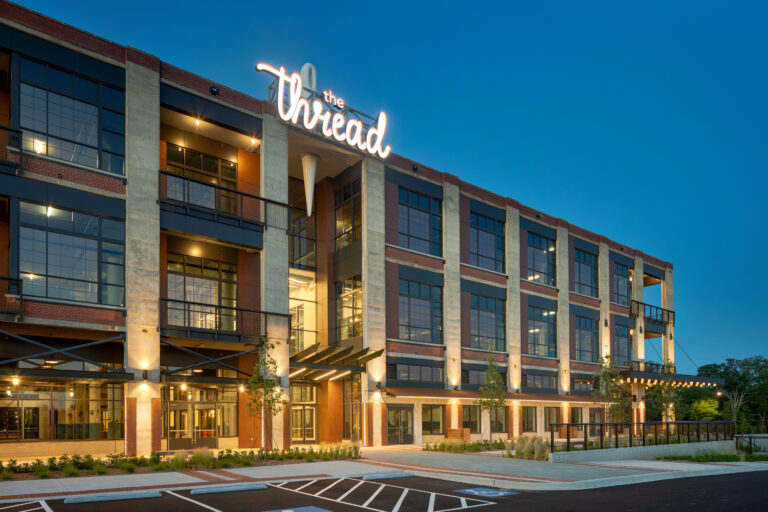
Winthrop announced a 10-year agreement with The Thread in Fall 2024, creating the J. Robert Bazemore Design Center at the historic textile mill. The partnership promised internship opportunities and hands-on learning for interior design students.
For some, the reality has been less convenient. The walk from Phelps Hall to The Thread can take more than 20 minutes. Students with 8 a.m. classes say they wake up earlier than their peers, often arriving to class tired from the walk.
While students agree the partnership has potential, many believe Winthrop failed to account for their day-to-day needs.
My Ride Underused
Transportation concerns at Winthrop extend beyond the interior design program. The university’s partnership with My Ride, Rock Hill’s public transit system, was meant to ease commuting challenges for all students. But many riders report confusion about the system.
First-time users may assume it is a student-only bus service. Some might not know how to read the routes or schedules, limiting its effectiveness as a resource.
Calls for Solutions
Interior design students say they want to see more practical solutions. Suggestions include expanding the campus shuttle system to include stops at supply stores, stocking a wider range of materials on campus or creating a ride-share board for students without cars.
Until changes are made, the imbalance will remain. Those with cars can manage the program’s demands with relative ease, while others juggle logistical stress on top of already heavy workloads.
At a University that prides itself on equity, students question whether their needs are being met. Conclusion
The challenges faced by first-year Interior Design students highlight a broader more significant issue on campus: the gap between opportunity and access. Winthrop has invested in partnerships, facilities and program reputation, but without addressing the transportation barriers of these collaborations , the benefits are unevenly distributed. Students believe the university must take a proactive role in finding solutions, whether by improving shuttle systems, offering clearer guidance on public transit, or ensuring supply access on campus.
Until then, the promise of an innovative and inclusive program will continue to feel incomplete. For students without cars, the path to creativity and career growth remains marked by extra steps (sometimes literal ones) between them and the resources they need to succeed.