
The unfavorable challenges that come with the college experience.
By Dakota Gold
Staff Writer
Editorial
There is a commercialized promise that colleges advertise and a specific aesthetic that many students and families expect. Students typically want the shiny dorms, the big friend group that attends parties, high-tech lab equipment and a bustling campus.
Higher education is not just viewed as a degree. It includes a way to independence, community and self-discovery.
But, once the excitement of move-in day fades, students face the harsh reality that college life may not be what it seems. Students are met with busy schedules, financial insecurity and isolation from the life they knew before.
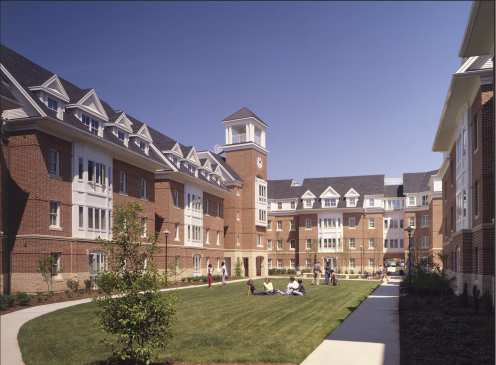
Journee Preston, a freshman psychology major, came to campus expecting an exciting and fresh start. Her fresh start was shaken when encountering mold problems in her room.
“We all started getting sick, and it was affecting us enough that one of my roommates had to miss class and was coughing throughout the night,” Preston said. “Then, my suitemate noticed big black splotches around the bathroom doors and hinges. We found out that what we thought was just rust or staining was actually black mold, and eventually, we all had to move out.”
Her suitemates were given another room in the same building, but Preston and her roommate had to move all of their things to a room in another building. This created an unfortunate setback to the start of her freshman year.
Planning is a key aspect of a student’s experience in college. This includes keeping up with assignments and mapping out classes for future semesters.
Creating a schedule for the upcoming semester is difficult enough on its own without the trouble of scheduling a required advising meeting. Advisors are there to guide and advise students through the course of their college career.
It should be easy to meet with an advisor, but for sophomore political science major, Lekhi Bennett, this is not the case. Bennett’s advisor has a packed schedule which means it is difficult to find a time to meet with them.
“If I was not able to meet with my TRiO advisor, then I would have a hard time finding openings in my actual advisor’s schedule,” Bennet said. “The Department Chair [of Sociology, Criminology and Anthropology] ended up emailing my advisor so they could approve my classes.”
This can be the case for many students, as advisors can meet with hundreds of students on top of their personal work.
Once settled into the semester, many students want to have the ideal college experience, but it may seem out of reach for some students. With tuition, textbooks, housing, food and gas, simply getting through the semester takes priority over enjoyment.
One student who works two jobs on top of their academics said that they feel they are missing out on the real experience because of financial worry. They need to work to be able to sustain themselves, which takes a toll on their studies.
The pressure of balancing academics with work can leave little time for the fun experiences that are a part of college. For these students, the college experience is not about having the ideal four years, but about navigating the financial challenges that come with it.
Finances look different for every student. Some students may worry about loans and paying tuition while others are concerned about finding a steady job or having enough gas money to commute.
College may come with difficulties, but there are plenty of opportunities that make all the difference. Getting involved on campus by joining organizations and being a student leader, making friends with classmates and the feeling of accomplishment after passing an exam.
Even with the pressures of college life, students can find support, purpose and moments that make the challenges worthwhile.