
By Kira Rich
Editorial Editor
Editorial
Take 2,122 beds. Subtract 1,100 incoming students. Subtract another 871 sophomores. Suddenly, there isn’t much room left.
Winthrop University is growing rapidly.
In the fall of 2025, Winthrop reached a total of 5,287 students, which was a 13% increase from fall 2022. Focusing solely on newly admitted freshmen, the Freshman class grew from 901 students in fall 2024 to 1,014 in fall 2025.
That trend has continued into 2026. Winthrop reported a 7% increase in total enrollment compared with the previous year. The university also welcomed approximately 1,350 new freshmen and transfer students for the fall semester.
Enrollment growth can be great for a campus as it may bring in additional students with new perspectives and set the foundation for new opportunities. But with growth comes a certain level of responsibility. The university must ensure that its housing, academic resources, and student services continue to grow alongside its enrollment.
In the last year, housing has been one of the bigger challenges for Winthrop.
Underclassmen are guaranteed housing, but upperclassmen do not have that same luxury. As the university’s student population grows, fewer housing options remain available for juniors and seniors who want to continue living on campus, which ultimately puts the school’s retention rate at risk.
The issue isn’t whether underclassmen or upperclassmen should be prioritized for housing but rather how much Winthrop’s infrastructure and resources can advance to adequately accommodate its growing student population.
Some upperclassmen are having to learn how to maintain campus involvement while simultaneously balancing work, assignments, and fighting the distance, while others are having to take a completely new approach to further education.
Winthrop junior and web development major Isabella Austin said that upperclassmen are losing money trying to find off campus housing to stay at the university.
“The older students are having to transfer, or they’re having to take gap years, or take semesters off. Or, you know, bleed out of their pockets to find somewhere else to live,” Austin said.
More students also means more demand for courses, classrooms, advising, dining, parking, recreation, and other campus services. Luckily, educational resources such as the language lab and writing lab have continued to prove themselves as easily accessible. However, upperclassmen find it difficult to be involved in campus life due to long commutes, limited parking, and work schedules.
“It’s like every spot’s taken up, so I have to go to the gravel lot and basically walk across campus, but even residents complain about not enough spaces in the resident lots”, biology major Logan Houser said.
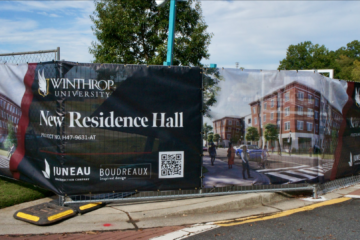
Winthrop has acknowledged the need to expand housing and has planned to begin construction of a new 400-bed dormitory. Vertical construction will begin in January 2027, with construction aimed to be completed in Spring 2028.
The project is a large investment for the university. The Board of Trustees approved the issuance of up to $55.5 million in higher education revenue bonds to finance the new residence hall. But unfortunately, 400 additional beds will not fully solve the issue at hand.
The university is adding students now. The new residence hall is not expected to open until 2028.
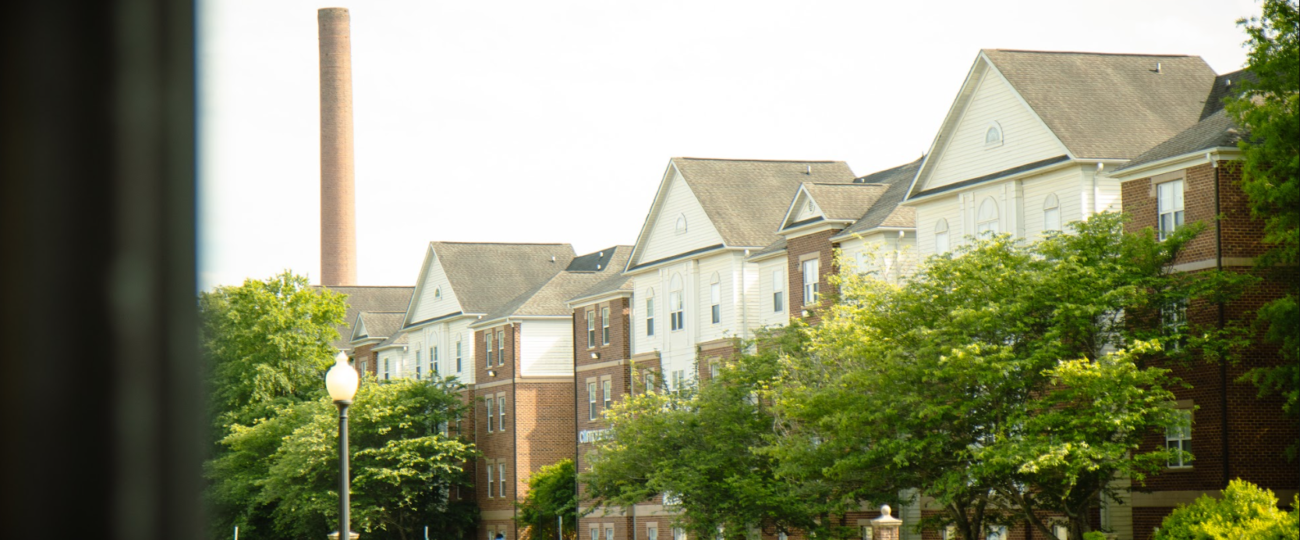
That gap is where the university needs to focus its attention. It’s important to identify areas for improvement in established communal spaces and housing, as many dormitories have not been renovated in years. There have been recurring issues with mold, dysfunctional A/C and heating systems, and bug infestations.
“I feel like we should be able to hold two truths, and you can build more housing and still fix the housing that is already harming your stimuli,” Austin said.
It should not be a decision of choosing between prioritizing newly admitted students and students who have already been attending Winthrop, as both groups deserve reliable, evolving resources.
The admission numbers imply that students are seeking out and choosing Winthrop. The question is no longer how Winthrop can appeal to incoming students and raise admissions numbers but instead how it can maintain those numbers and support them without forcing existing students to compete for increasingly limited resources.
Growth should expand beyond the student body to classes, academic resources, housing, and extracurriculars.
Winthrop has the opportunity to expand on its recent enrollment accomplishments. But if the university wants to continue to grow, its infrastructure needs to be able to grow alongside it.