
A collaborative space for producers, singers, and musicians at Winthrop.
By Adriane Alston
Editorial Editor
Editorial
Following recent winter snow storms, students have raised concerns regarding the safety of the walkway connecting Joynes Hall and Byrnes Auditorium, a route consistently used by students traveling to and from their respective courses.
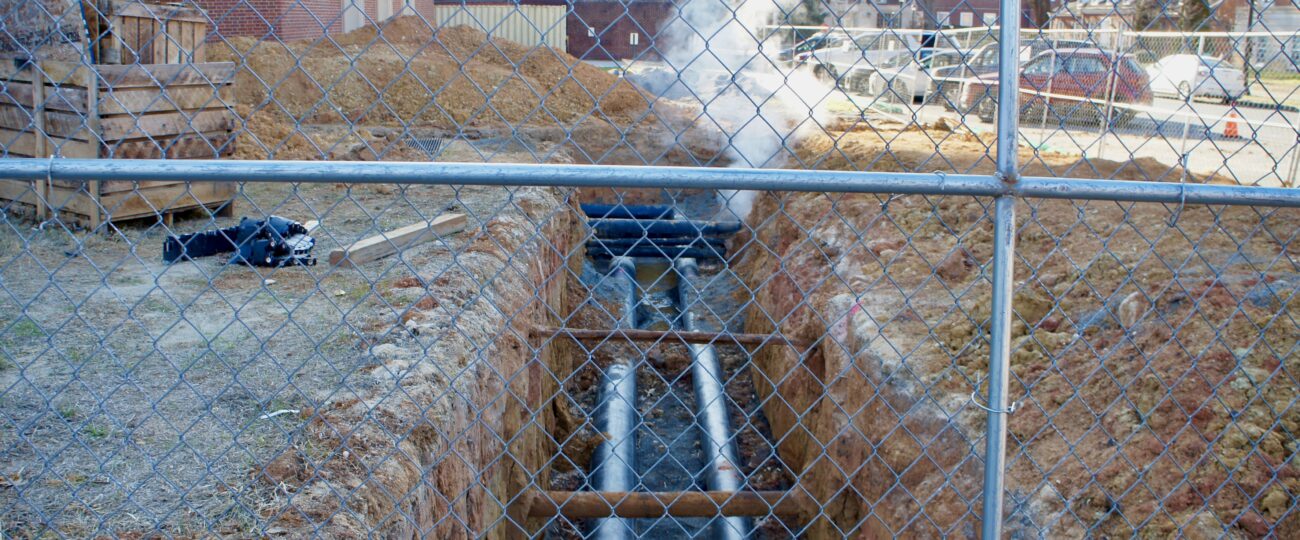
Consistent reports of slippery surfaces and lingering ice after the recent wintry weather storms have led numerous students to discuss whether the path is being adequately maintained by construction crews and facilities management during periods of inclement weather amidst the ongoing construction plans.
The walkway is a central connector between numerous academic buildings, making it difficult for students to avoid even when conditions become dangerous. After snowfall, students reported a large amount of ice patches remaining on the surface for days, increasing the risk of slipping during their daily commutes to class.
Student Publications are dedicated to broadcasting the issue, particularly as multiple storms impacted the campus in a short period of time and weather conditions are still an ongoing issue in the state. Some students argue that the current design and architecture of the walkway, including its slope and drainage, contributes to the acquisition of ice and makes the area especially dangerous during current winter conditions.
Concerns surrounding the walkway extend beyond general pedestrian safety and prompt concerns about accessibility. Students with mobility–based disabilities or those who rely on mobility aids have expressed that certain weather conditions can render the walkway inaccessible for them. When snow and ice are not promptly addressed, these conditions can limit students’ ability to safely navigate campus and attend classes in a timely and safe manner.
From a student standpoint, it is easy to worry about how the continued presence of icy conditions amidst the winter weather can directly impact the Joynes-Byrnes walkway, creating the perception that student safety is not being prioritized by university officials. For students who rely on the route daily, the lack of visible or immediate improvement following winter storms can heighten frustration and cause concern, particularly when alternative routes are not always realistic for students to take.
However, the Campus Safety Committee of the Winthrop Student Government Association is actively taking steps to address these concerns and advocate for the wellbeing of students and overall safety of the campus. The committee will conduct a campus safety walk on March 4 2026, with the goal of identifying hazardous conditions on campus, highlighting accessibility based concerns like the lagging ADA push buttons and evaluating impacts to pedestrian safety and accessibility across campus.
The Campus Safety committee will be walking around the campus allowing students and university representatives to observe conditions firsthand and better understand the challenges faced by students. Areas of concern, including the Joynes–Byrnes walkway, will be assessed, and feedback gathered during the walk will be used to develop recommendations aimed at improving safety and accessibility for students, staff and faculty across campus..
University officials worked to clear snow and ice as quickly as possible following winter weather, prioritizing high-traffic walkways. Despite these efforts, students have continued to question whether current measures are sufficient, particularly in areas where ice appears to persist longer than expected.
Some students have suggested that more proactive solutions may be necessary, such as increased salting, improved drainage, or long-term structural changes to reduce ice buildup. Others have emphasized the importance of clear communication so students are aware of what steps are being taken to address hazardous conditions.
The upcoming safety walk has been met with caution and optimism among students, many of whom view it as an important step toward accountability and improvement. Several students have expressed interest in participating or sharing their experiences to ensure their concerns are documented and addressed.
As winter weather continues to pose challenges for campus navigation, the March 4 Safety Walk represents an opportunity for collaboration between students and university leadership. While concerns remain, the efforts of the Campus Safety Committee signal a commitment to addressing safety and accessibility issues and ensuring that student voices remain central to discussions surrounding campus infrastructure.