
By Adriane Alston
Editorial Editor
Housing Priority Shifts Under Strategic Plan
Winthrop University’s prospective housing strategy is sparking concern among upperclassmen who are concerned that the plan prioritizes freshmen and sophomores while leaving juniors and seniors struggling to find affordable off campus housing.
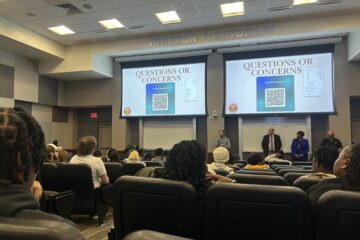
In the recent Board of Trustees meeting on Oct. 30, the strategic plan depicted how housing will be guaranteed for first and second year students.The policy aims to promote retention and engagement for underclassmen, but for seniors this comes at an expense.
This shift brings more than a logic based challenge. It signals a loss of recognition for upper-level students who have contributed years of service, leadership and involvement to campus life.
Demolition Reduces Campus Housing Capacity
The change follows the demolition of Wofford and Richardson halls in 2024, two residence halls that once housed hundreds of students. Their removal reduced overall on-campus housing capacity at a time when freshman enrollment continued to grow.
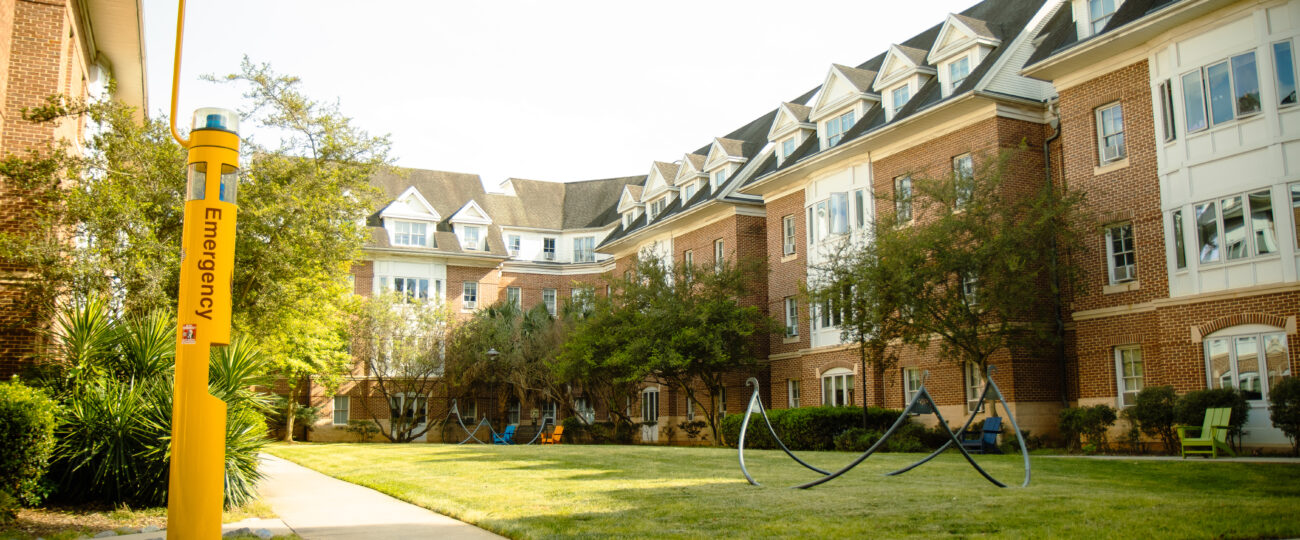
According to Winthrop’s Office of University Communications, the university is constructing a 95,000 square-foot residence hall that will house approximately 400 students. The new building is expected to open by 2027 and will be located near the current residence hall area.
Until that project is complete, space remains limited, and returning students are competing for a smaller number of available rooms.
Impact on Junior and Seniors
For upperclassmen, the change in housing policy creates new challenges both academically and financially. Many juniors and seniors are now required to seek housing off campus, often in surrounding areas of Rock Hill where rent prices have increased in recent years.
The shift also disrupts routines and schedules for students involved in rigorous academic programs. Juniors and seniors in fields such as education, social work and the sciences are typically enrolled in upper-level courses that demand more time, fieldwork and leadership responsibilities.
Students in the Richard W. Riley College of Education Sports and Human Sciences, for example, complete practicums and student teaching placements that require early mornings and long hours in K–12 schools. Commuting from off campus adds additional time constraints and expenses. Balancing coursework, professional preparation and part-time employment becomes increasingly difficult when housing is not within walking distance of campus resources.
Comparisons and Campus Community Concerns
Other universities have adopted practices that continue to recognize upperclassmen responsibilities. At Clemson University, for instance, freshmen are permitted from bringing cars to campus, which preserves parking availability for juniors and seniors managing off-campus internships or work obligations.
The contrast highlights differences in how institutions prioritize seniority. While some campuses design policies to reward returning upperclassmen students, Winthrop’s current housing structure focuses on building a foundation of success for new students.
However, the long-term concern among many is how this may affect student involvement and campus culture. Upperclassmen often hold executive positions in student organizations, serve as mentors to underclassmen and help sustain Winthrop’s community traditions. Reduced access to on-campus housing could limit that presence and weaken engagement opportunities.
University Growth and the Path Forward
Winthrop University continues to experience growing enrollment, with more than 1,000 freshmen and 350 transfer students arriving for the Fall 2025 semester. The expansion contributes to the demand for more residential space and has accelerated planning for new residence halls.
The “Winthrop” Instagram account has announced that Winthrop University has already offered admission to “2000+ future Eagles,” as of Oct. 17.
That number doesn’t mean every person offered admission in October will choose to come to Winthrop, but it does imply that the university is intent on prioritizing student enrollment even if the number of students admitted doesn’t necessarily correlate with the housing that is reasonably available. And more student admissions are yet to come, as we haven’t even hit the half-way point of the academic year.
Administrators have stated that the goal of the housing guarantee is to improve the student experience for first and second-year students, ensuring they remain connected to campus life. Yet the lack of space for upperclassmen remains a pressing issue that affects affordability, convenience and student morale.
As the university moves forward with construction and future planning, juniors and seniors hope that future housing policies will consider their role in the Winthrop community not just as residents, but as leaders and mentors shaping the next generation of Eagles.